
Viking Clothing does more than complete an outfit. It tells a story about rank, purpose, climate, and character. A battle-ready raider would not dress like a noble chieftain, and a practical shieldmaiden would not rely on the same layers as a wandering seer. That is what makes Viking outfit design so compelling. Every piece has a role, and every role creates a different kind of presence.
If you are putting together Viking Clothing for cosplay, themed events, reenactment-inspired styling, or a personal collection, the best results come from understanding how the outfit works as a whole. Strong Viking style is not about throwing on random leather and fur. It is about balance. You need the right tunic, the right outer layer, the right belt placement, and the right amount of detail.
This guide breaks down Viking outfit ideas for every warrior type, from rugged raiders to commanding leaders. It also covers how to build a more convincing Norse clothing setup, what details matter most, and which outfit direction fits your purpose best.
What Makes Viking Clothing Stand Out?
The appeal of Viking Clothing comes from its mix of function and authority. The style feels grounded, durable, and bold. Even when adapted for modern cosplay costumes, the strongest Viking outfit ideas keep that practical spirit intact.
Core Features of Strong Viking Clothing
- Layered construction with tunics, vests, cloaks, or long outerwear
- Natural-looking textures such as leather, wool-inspired fabrics, and fur accents
- Utility-focused belts, straps, and closures
- Clean but rugged structure
- Boots and accessories that support the full character, not just the torso
In simple terms, Viking warrior attire should feel built for movement, weather, and status. That is why well-made Viking Clothing often centers on structure rather than decoration alone.
Why People Search for Viking Outfit Ideas
Most people looking for Viking outfit ideas want one of three things: authenticity, character impact, or event-ready styling. Some want a Norse warrior costume that feels fierce and cinematic. Others want a more grounded Viking tunic and cloak combination that feels wearable for conventions, festivals, or themed gatherings. Many want both.
That is why the best Viking Clothing guide should help with more than inspiration. It should help you decide what to wear based on your character type, body shape, comfort level, and occasion.
How to Choose Viking Clothing for Your Character Type
Before picking individual pieces, decide what kind of warrior energy you want your outfit to carry. This step makes everything easier.
The Raider

A raider outfit should feel mobile, weather-ready, and hardened by travel. Think short or mid-length layers, leather torso pieces, sturdy boots, and practical belts. This style works well for action-heavy cosplay and for anyone who wants a more aggressive Viking costume for men.
The Chieftain or Jarl

A leader’s outfit should feel heavier, richer, and more commanding. Long coats, broad collars, fur accents, darker tones, and stronger lines all help create authority. This route is ideal if you want Viking Clothing that feels elevated rather than raw.
The Shieldmaiden

A shieldmaiden outfit should combine strength with structure. Fitted leather bodices, long skirts, layered belts, pouches, and functional sleeves work especially well. This is one of the most popular directions for Viking costume for women because it balances power and elegance.
The Wanderer or Mystic

This character type leans into cloaks, hoods, darker palettes, and quieter details. It suits people who want Norse clothing with mystery and presence instead of overt battle styling.
Viking Outfit Ideas for Every Warrior
Below are strong Viking outfit ideas inspired by classic Viking Clothing and historically accurate Viking clothing details. Each look offers a different mood, build, and use case while keeping the Norse style practical and grounded. Here we mention some of viking inspired clothing for men and women.
Ravenfur Long Coat Warrior Outfit Set

This outfit is built around a full-length leather coat with a broad fur-trimmed collar and matching cuff detail. It creates instant authority and works especially well for a jarl, elite guard, or seasoned commander. The long shape adds drama, while the belt keeps the frame controlled and masculine.
This is a great pick for anyone who wants Viking Clothing with a premium feel. It suits colder event settings, bold entrances, and high-impact cosplay where presence matters as much as craftsmanship.
Shearling Vest Raider Battle Outfit

This style leans into a sleeveless leather vest with a thick shearling collar, fitted trousers, leather bracers, and tall lace-up boots. It feels lighter, more aggressive, and more mobile than heavier outerwear-based sets.
For a raider character, this is one of the easiest Viking outfit ideas to wear comfortably. It keeps the body shape strong, allows easy movement, and still delivers solid Norse warrior attire energy.
Stormhood Fur Cloak Northern Outfit

A hooded outer layer with fur trim creates a colder, more mysterious Viking profile. Underneath, a fitted dark tunic and simple trousers keep the build clean. This style is excellent for travelers, scouts, or lone-warrior characters.
If you want viking winter clothing that feels dramatic without being bulky, this is a smart choice. It is especially effective for themed entrances, character-driven cosplay, and winter event styling.
Ironbodice Leather Shieldmaiden Set

This outfit centers on viking lady clothes, with a structured leather bodice, long sleeves, a full skirt, utility pouches, and a balanced waistline. It blends strength and refinement while keeping the practical side of Viking Clothing.
Among Viking costume for women, this style stands out because it feels complete and purposeful. It suits a warrior, noblewoman, or battlefield commander and works well when you want a powerful overall look with strong detail.
Blackwolf Fur Mantle Warrior Outfit

This Warrior Outfit style features a dark leather base, a broad fur mantle, a hooded outer layer, and a grounded, battle-ready structure. It carries a hard-edged, seasoned-warrior presence and works well for older, battle-tested character concepts.
This is ideal for people who want Viking Clothing with a stern, rugged tone. It feels less polished than a noble coat and more hardened than a clean tunic set.
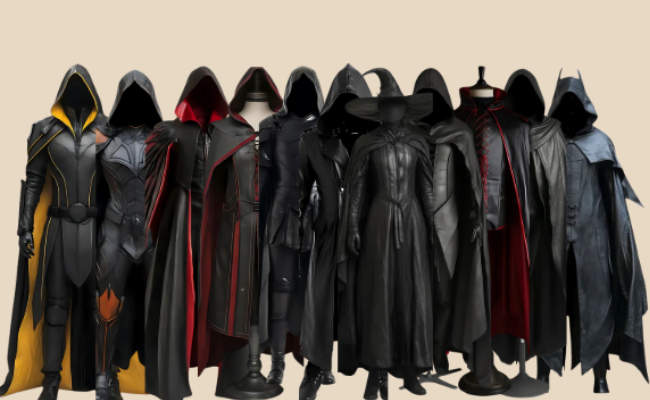
Midnight Warden Cloak Armor Set

This Cloak Armor outfit takes a more stylized route with a structured hooded cloak, fitted torso armor, and clean lines throughout the body. It feels disciplined, commanding, and slightly ceremonial while still staying true to Norse-inspired fashion.
This is one of the best modern viking clothing ideas for anyone who wants a distinct overall presence. It works beautifully for elite guards, high-ranking warriors, and darker fantasy-inspired Norse characters.
Oakhide Leather Tunic Fighter Set

A simple leather tunic with long sleeves, a side-fastened belt, fitted trousers, and tall boots creates one of the most wearable Viking Clothing combinations. It is straightforward, believable, and versatile.
This outfit is perfect if you prefer practical Viking style over heavier costume layering. It also gives you room to customize with bracers, a cloak, or a pendant depending on how simple or detailed you want the final result.
Kingswood Green Norse Tunic Set

A green tunic with leather cuffs, a belt, tall boots, and a crown-inspired headpiece gives this Norse Tunic outfit a younger noble or rising-leader identity. It feels cleaner and more court-ready than battlefield-heavy.
This is a strong option for people who want norse viking clothing that sits between royal and rugged. It works especially well for storytelling-based cosplay, group costumes, and character roles with status.
How to Build Better Viking Clothing From the Ground Up
A strong outfit starts with the right foundation. Do not begin with accessories. Begin with the body layers.
1. Start With the Tunic or Base Layer
The tunic is the backbone of most Viking Clothing. Whether it is short, long, fitted, or loose, it determines the shape of the entire outfit. Keep it strong, simple, and consistent with the role you are building.
2. Add Leather With Purpose
Leather should add structure, not clutter. A vest, bodice, overcoat, or armored chest piece can all work, but they need to support the character. Too many random straps can make the outfit feel messy instead of powerful.
3. Use Outer Layers to Define Status
Cloaks, fur mantles, and long coats are some of the most effective ways to shift an outfit from basic to memorable. In Viking Clothing, outer layers often communicate rank, climate, and presence all at once.
4. Pay Attention to Boots and Belts
Nothing weakens a strong Norse warrior costume faster than modern footwear or a thin costume belt. Boots should feel sturdy, and belts should sit naturally at the waist or hip depending on the outfit type.
5. Keep Accessories Focused
A few thoughtful details beat too many distracting ones. Good choices include:
- Leather bracers
- Belt pouches
- Simple pendants
- Fur collars
- Cloak clasps
- Utility straps
Viking Clothing for Men and Women
The best Viking Clothing is not limited by gender. What changes most is layering approach and overall shape.
Viking clothes for men
Viking clothes for men were made for real Norse life: warm, practical, and easy to move in. Men usually wore wool tunics over linen shirts, with trousers, belts, cloaks, and leather shoes for comfort and protection in cold weather.
Viking women clothing
Viking women clothing ideas can mix history with bold style. Start with layered dresses, long sleeves, belts, brooches, and practical accessories, then add a shieldmaiden look that feels strong, mobile, and ready for adventure.
The key in both cases is the same: the clothing should support the character’s role.
Viking Clothing for Cosplay, Events, and Themed Styling
Not every outfit needs reenactment-level historical precision. For cosplay and themed events, the goal is often a balance between authenticity and impact. That is where quality materials and thoughtful construction matter most.
When shopping for cosplay costumes online, focus on three things:
- Fit and comfort for long wear
- Layering that feels intentional
- Details that strengthen the character without overwhelming it
For shoppers who want Viking Clothing with a strong leather-focused identity, Creed leather is worth exploring. Since Creed leather specializes in cosplay costumes online, it is a practical place to find character-driven pieces that carry the bold, warrior-style energy many Viking fans want.
Common Mistakes to Avoid
Even a good concept can fall flat if the styling is off. Here are the most common Viking Clothing mistakes people make.
Using Too Many Unrelated Pieces
One fur collar, one belt system, and one clear outer layer will usually work better than piling on extras.
Ignoring Proportion
A heavy cloak over a bulky tunic with oversized boots can make the outfit feel crowded. Good Viking style relies on balance.
Picking Modern-Looking Materials
Shiny synthetic textures or overly clean finishes can weaken the Norse feel. Even for cosplay, texture matters.
Forgetting Character Direction
Ask yourself who the outfit belongs to. Raider? Noble? Shieldmaiden? Scout? Once you answer that, the right Viking outfit ideas become much easier to choose.
FAQ About Viking Clothing
What materials did vikings use for clothing?
Vikings used wool, linen, leather, fur, and animal hides for clothing. Wool kept them warm, linen made soft undergarments, and leather or fur protected them in harsh Norse weather.
What is the most important piece in Viking Clothing?
The tunic or main body layer is the most important piece because it sets the shape of the entire outfit. From there, belts, outerwear, and accessories build the character.
What clothes did the vikings wear?
Vikings wore wool tunics, trousers, cloaks, linen underclothes, strap dresses, leather shoes, and belts. Their clothing was warm, practical, and made for daily Norse life.
How do I make Viking Clothing feel more authentic?
Focus on layered construction, strong textures, practical belts, tall boots, and role-based styling. The outfit should feel wearable and purposeful, not random.
What colors work best for Viking outfit ideas?
Earthy browns, deep blues, black, forest green, charcoal, and muted neutrals all work well. These shades help Viking Clothing feel grounded and strong.
Is Viking Clothing good for cosplay?
Yes. Viking Clothing is one of the best choices for cosplay because it is versatile, instantly recognizable, and easy to personalize for different character types.
What is a good Viking costume for women?
A fitted leather bodice with a long skirt, structured sleeves, a belt, and practical accessories creates a strong shieldmaiden outfit that feels powerful and complete.
What is a good Viking costume for men?
A leather tunic or vest paired with trousers, tall boots, a strong belt, and either a cloak or long coat makes an excellent Viking costume for men.
Final Thoughts
Great Viking Clothing is not just about dressing like a warrior. It is about choosing a role, building a story through layers, and making every piece support that story. The best Viking outfit ideas feel strong, practical, and memorable because they stay true to the spirit of Norse clothing without becoming overcomplicated.
Whether you are drawn to a rugged raider vest, a commanding fur-collared coat, a shieldmaiden leather set, or a hooded northern cloak, the right outfit starts with intention. Choose your warrior type first, build from the tunic outward, and keep every detail working toward one clear identity.
If you are ready to upgrade your next character wardrobe, Creed leather a Viking clothing brand, offers cosplay costumes online with the kind of bold leather styling that fits naturally into a strong Viking-inspired collection.